
A Guide to Choosing the Ideal Tactical Hat: One Boonie, Many Missions
Choosing a tactical cap sounds simple until you need one that actually performs. Too much heat? Look for ventilation. Poor fit? Focus on adjustability. Harsh sun or unpredictable weather? The right material and brim can make all the difference. Tactical hats are built for versatility, but having plenty of options can make finding the ideal one surprisingly tricky.
Tactical Hat Styles
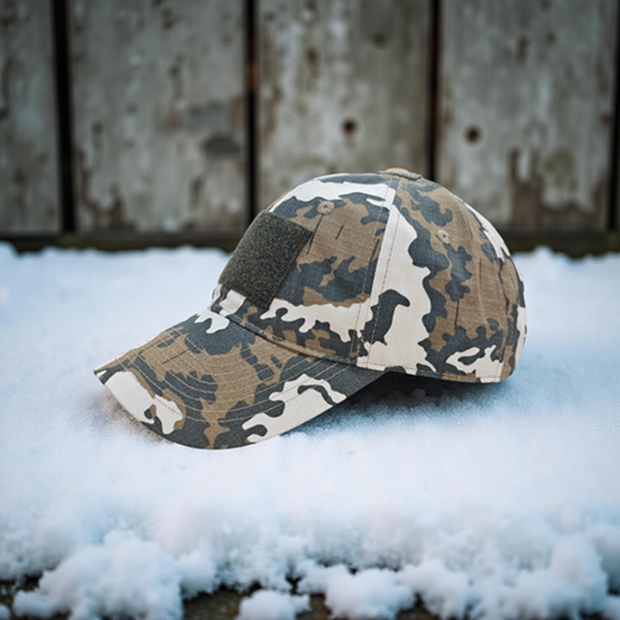
Whether you’re heading outdoors or working in demanding conditions, keep your head protected with a durable and well-designed tactical hat. When choosing, the cap’s style isn’t just about looks; it determines how well the hat performs in different environments.
Boonie Hats: Maximum Coverage
If sun protection and outdoor performance are priorities, a tactical boonie hat is a strong choice. Its wide brim provides more coverage around the face and neck than a standard cap, making it particularly useful for bushwalking, fieldwork, camping, and other extended outdoor activities. Modern versions can also include adjustable chin straps, ventilation features, sweatbands, and attachment points for added practicality.
Operator Caps: Simple and Functional
An operator cap offers a more streamlined alternative. With a traditional baseball-cap shape, it is easier to wear casually while still providing useful sun coverage. This style works well when you want tactical functionality without the bulk of a wide-brimmed hat. It is also a practical choice for activities where keeping your headwear compact and unobtrusive matters.
Low-Profile Tactical Caps: Everyday Versatility
For daily wear, low-profile tactical caps can strike the right balance between performance and simplicity. Look for an adjustable closure that lets you customise the fit, while ventilation features can help reduce heat during active use. Some designs use mesh panels to increase airflow, making them particularly useful in warmer conditions.
Match the Style to the Environment
The best style depends on where and how you plan to use it. Tactical boonie hats are ideal when broad coverage and outdoor protection matter most. Opt for an operator or low-profile design when you want something lighter, more compact, and easier to wear every day. Consider the climate, activity, required coverage, and fit before choosing. That way, you are not simply picking a tactical hat that looks right; you are choosing one that performs where you need it most.
Comfortable Fit
A tactical hat can have all the right features, but if it does not fit properly, performance quickly takes a back seat. A hat that is too tight can create pressure around the head, while one that is too loose may shift during movement or windy conditions. The ideal fit should feel secure without becoming restrictive.
Start by checking whether the hat offers adjustable sizing. Features such as hook-and-loop closures, adjustable straps, or flexible bands make it easier to achieve a personalised fit. This is especially useful if you plan to wear the hat for several hours at a time.
Consider the hat’s shape and crown depth as well. A good military hat should sit comfortably on your head without pressing against the forehead or leaving excessive space around the sides. If you have longer hair, wear glasses, or regularly use other outdoor gear, think about how these will affect the fit.
Fabrics and Breathability
A military cap can quickly become uncomfortable when the fabric traps heat and moisture. If you plan to wear yours for long periods, especially during physical activity or warm weather, breathability should be a priority. The right material allows air to circulate while helping moisture move away from the skin, keeping your head cooler and more comfortable.
Lightweight synthetic fabrics are often a practical choice because they can combine durability with quick-drying performance. Mesh panels can provide even greater airflow, making them useful for hot conditions or high-intensity activities. For cooler environments, a more substantial fabric may offer better coverage without making ventilation the main concern.
Pay attention to how the fabric works with the overall hat design. Ventilation panels, breathable sweatbands, and strategically placed openings can improve airflow even when the main fabric is relatively durable. A hat that looks lightweight is not necessarily breathable, so check the construction rather than judging by appearance alone.
Consider your usual environment before choosing. Hot and humid conditions call for maximum airflow, while cooler or changing weather may require a balance between ventilation and coverage.
Practical Features
The right tactical cap should solve problems, not simply add features for the sake of it. Before choosing one, consider which details will genuinely make it more useful in your everyday activities or outdoor environment.
Adjustable closures are a practical starting point, allowing you to create a secure fit and make quick adjustments when needed. For sunny conditions, a well-designed brim can provide valuable shade and reduce glare without obstructing your view. If you spend time outdoors, ventilation panels or mesh sections can improve airflow and help prevent uncomfortable heat build-up.
Some tactical hats also include hook-and-loop panels, allowing you to attach patches or personalise the hat. This can be useful when identification or customisation matters.
For active use, features such as chin cords or retention straps can help keep the hat in place during movement or windy conditions. Meanwhile, lightweight construction can make a noticeable difference when wearing it for hours.

