
The Essential Thermal Binoculars Guide: Features and Uses
Advanced thermal binoculars provide a decisive tactical advantage by detecting infrared heat signatures rather than amplifying ambient light. While traditional night vision requires some light to function, thermal optics map the heat emitted by living subjects. This enables high-contrast tracking through absolute blackout conditions, dense foliage, and heavy fog. Ideal for property security, wildlife research, and tactical tracking, these precision devices strip away natural camouflage to reveal targets completely invisible to the naked eye.
How Do Thermal Binoculars Work?
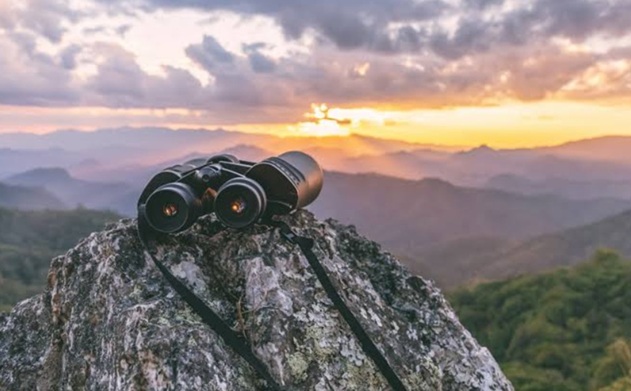
In simple terms, thermal binocular systems detect heat energy instead of visible light to create high-contrast images of warm subject against cooler backgrounds. Every physical object with a temperature above absolute zero emits infrared radiation. The warmer the object, the more infrared energy it emits. Thermal binoculars use a specialised sensor to capture these heat emissions, convert the temperature differences between objects into an electronic signal, and display that information as a visible image on an internal screen that the user views through the eyepieces.
Breakdown of Key Components
In-depth knowledge of thermal binocular components provides better understanding of how the devices convert invisible heat to visible images. Key parts include:
- Objective lens: This is the front glass element that collects infrared heat radiation and focuses it onto an internal thermal sensor. Unlike standard glass elements that block long-wave infrared heat signatures, these consist of specialised materials such as single-crystal germanium or chalcogenide glass to let heat waves pass through without losing energy.
- Thermal sensors: The thermal sensor, often called an uncooled focal plane array, contains thousands or millions of detector elements called microbolometers, each sensitive to incoming infrared radiation. When thermal radiation hits these tiny elements, their temperature changes and alters their electrical resistance. Sensors read these resistance changes to create a temperature map of the scene in front of the lens. Sensors with high resolution and smaller pixel pitch produce cleaner and more detailed images.
- Image processing units: This is the thermal binocular’s digital core that converts electrical signals into a visible image on the display. Processing units also reduce electronic noise and graininess, boost contrast, and provide digital magnification.
- Display screen and eyepieces: Processed images are displayed on an internal electronic display, often an OLED or AMOLED screen, which users view through the eyepieces. Image clarity and detail largely depends on screen resolution and high refresh rates, keeping motion fluid and preventing blur. Eyepieces can be adjusted for magnification, diopter, and interpupillary distance, or the centres of the two eyepieces that create a stereoscopic depth of the entire image and reduce fatigue.
- Power accessories and additional hardware: Thermal binoculars have a power draw ranging between 3 and 8 watts. Power is provided by rechargeable internal or removable batteries, ensuring continuous use of 2 to 8 hours.
What Thermal Binoculars Can Do
- See in total darkness: Thermal binoculars detect heat energy, making them independent of ambient light. No illumination is required to thermal signatures, for instance of animals or humans.
- Work in daylight and inclement weather: Infrared radiation penetrates atmospheric conditions, ensuring the binoculars operate in fog, smoke, dust storms and heavy rain.
- Reveal heat differences in terrain: Warm ground near geothermal activity, heated vehicle tracks, engine heat, recently disturbed earth — all produce detectable thermal signatures against cooler surroundings.
- Spot hidden targets: The binoculars instantly reveal warm-blooded animals, humans, or running engines hidden against cooler backgrounds like trees or fields.
- Measure distance and data: Many models feature built-in laser rangefinders, GPS, and digital recording capabilities.
Debunking common misconceptions and myths, thermal binoculars cannot detect heat sources behind dense, thermally opaque barriers, such as concrete or brick walls. They can also struggle to produce detailed, high-contrast thermal images of objects or animals obscured or hidden by glass, such as windows. Moreover, thermal images are presented in colour palettes, which while selectable, are not true-to-life, considering they only map heat.
The devices fare favourably when pitted against night vision binoculars in typical hunting, wildlife tracking, surveillance and search and rescue usage. Night vision binoculars rely on ambient and near-vision infrared light, meaning they struggle in complete darkness, thick fog, when detecting animals in vegetation and in general daytime use. Both technologies complement each other, with night vision largely reserved for natural terrain navigation and observation in near-darkness conditions.
Core Features and Buying Considerations
- Thermal binocular sensor resolution: This is the number of individual detector pixels, and dictates thermal image clarity and detail. Entry-level binoculars feature 160X120 or 256X192 pixels, limiting finer physical details and successful detection to shorter distances. Mid-range 384×288 sensors provide more detail in objects up to 250 metres, while high-end binoculars with 1280×1024 sensors (or 1.3 million pixels) provide ultra-sharp, high resolution thermal images for professional hunters, wildlife observers, and security and military personnel.
- Thermal sensitivity or Noise Equivalent Temperature Difference (NETD): Essentially, this is the binocular’s ability to distinguish between smaller temperature changes against background electronic noise. Measured in millikelvins (mK), lower sensitivity numbers mean binoculars can detect finer temperature shifts and provide more contrast in fog, rain or smoke. Look for high-end models with thermal sensitivity under 25mK, or mid-range binoculars with sensitivity ranges of 40 to 50 mK.
- Detection ranges: This defines the distances at which heat sources can be detected, dependent on factors like lens size, sensor resolution and thermal sensitivity. Detection ranges average 700 metres in entry-level models to well over 2000 metres in high-end binoculars.
- Refresh rates: For clearer images, reduced blur and easier tracking, opt for units with refresh rates of 50Hz or higher.
Other buying factors include switchable colour palettes for optimal contrast, built-in laser rangefinders to precisely calculate distances to targets, and on-board video capture when recording target behaviour or possible threats. Also, look for durable weatherproof casings that can withstand rain, dust and harsh outdoor impact.

