
Sensory Toy Ideas for Every Stage of Early Development
Sensory play is one of those things that sounds a bit more complicated than it really is. It’s actually just everyday play that uses your baby’s senses. Touch, sight, sound, movement and sometimes even smell all get involved. It’s how little ones figure out the world around them. They grab things, look at patterns, shake toys, put everything in their mouths, and react to sounds.
But don’t worry, an engaging sensory toy doesn’t have to be expensive or loud. Simple, age-appropriate options work best, especially when they match what your child is ready for at each stage. It’s less about having piles of toys and more about choosing the right ones that fit your baby’s development.
Best Sensory Toys by Age
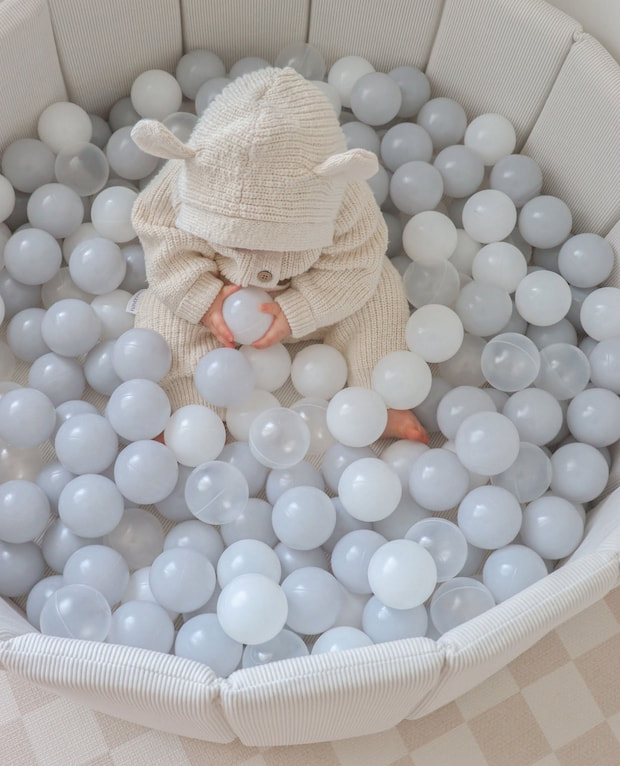
Every stage of early childhood looks a bit different. Babies and toddlers change so quickly, so the kinds of toys they enjoy tend to shift with them. What works for a newborn won’t always interest a toddler, and that’s totally normal.
Newborns to 6 Months
At this stage, your baby is still getting used to everything, so simple things usually work best.
- High-contrast items – Black-and-white cards or simple bold patterns are much easier for your baby to see than softer colours. They give your little one something to focus on during tummy time.
- Soft plushies – Gentle, soft toys give your baby different textures to feel while also offering comfort during quiet moments.
- Crinkle books – These mix soft textures with crinkly sounds that naturally grab your baby’s attention and encourage little hands to explore.
- Gentle rattles – Light rattles are easy to hold and shake, and the soft sound helps your baby start to understand that their movements can create a reaction.
6 to 12 Months
Around six to twelve months, things get a lot more active. Babies start rolling, sitting, and often crawling, so everything within reach becomes interesting.
- Textured balls – Easy to grab, roll, and chase, these help your baby practise reaching and crawling while also building coordination.
- Stacking toys – Nesting cups or blocks are perfect for practising hand-to-hand transfers and figuring out how things fit together.
- Activity cubes – Great for keeping busy hands occupied with lots of different toggles, textures and moving parts to figure out.
- Teething items with different textures – Great for babies who want to mouth everything. They offer safe textures to explore while also soothing sore gums.
1 to 3 Years
Toddlers are basically little explorers at this point. Everything becomes a bit more imaginative, and play starts to feel more purposeful.
- Sensory bins – Simple bins with different textures let your toddler scoop, sort, and explore in their own way.
- Shape sorters – Figuring out where the triangle or square goes is a great, rewarding challenge for a toddler’s problem-solving skills.
- Busy boards – Lots of little things to press, slide, and spin that keep curious hands engaged.
- Toy Instruments – Drums, shakers, or xylophones let toddlers explore rhythm while they shake and make noise.
- Pretend play with different textures – Toys with different textures, like a furry play animal or a smooth wooden spoon, make their make-believe worlds feel a lot more real.
How to Choose the Right Option
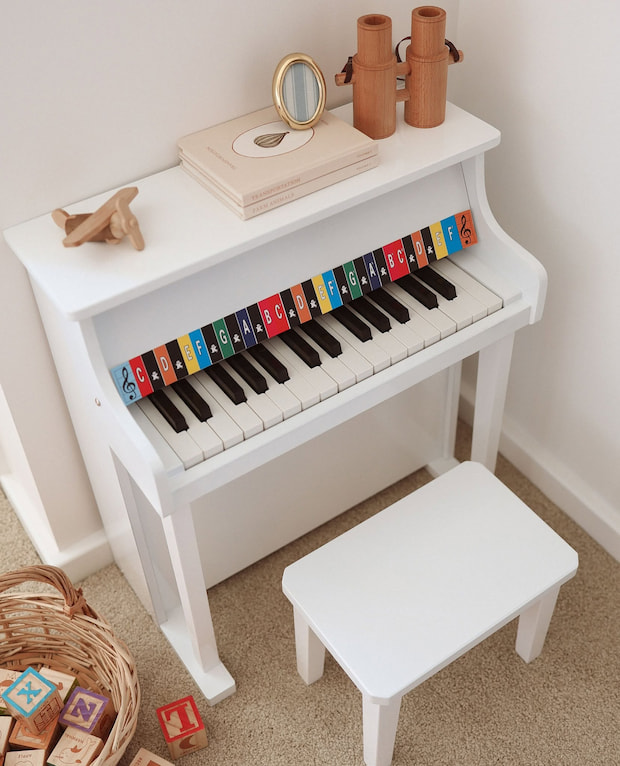
The best sensory toy isn’t always the one with the most lights or features. A well-chosen toy often keeps your child engaged for longer and supports their development in the right way.
- Match their current milestones. Look for toys that fit what your child is physically doing right now, rather than what they “should” be doing based strictly on their age.
- Prioritise safety. Always choose non-toxic, easy-to-clean materials.
- Mix up the senses. Try to find toys that offer different sensory experiences like touch, sound, and sight.
- Avoid anything too loud or visually overwhelming.
- Stick to toys they can actively do things with (like stacking, pulling, or pushing) rather than things they just sit and watch.
It’s less about finding the “perfect” toy and more about noticing what your child responds to.
Simple Ways to Encourage Sensory Play at Home
You don’t really need a big setup or anything complicated. A lot of sensory play happens naturally in everyday moments.
- Create a safe, calm play space – A quieter setup with fewer distractions helps babies focus better. Too many lights and sounds at once can feel overwhelming.
- Introduce one or two items at a time – Start simple by offering just one safe toy and see how your baby responds. Keeping it minimal helps them engage more deeply.
- Let them explore independently – Follow your baby’s lead and give them space to look, touch and react at their own pace. If they start getting fussy or look away, that’s your cue to take a break.
- Rotate activities to keep play fresh – Instead of adding more toys, swap them around every few days. Simple toys feel new again and stay more interesting this way.
At the end of the day, sensory play is really just about giving your baby or toddler the chance to explore the world at their own pace. A few simple toys, a bit of time, and your presence are usually more than enough.

