
Canvas vs. Leather: Choosing the Ideal Apron for Woodworking
When it comes to woodworking, the right apron helps you stay safe, organised, and comfortable while you work. It can protect your clothes from sawdust and spills, keep your tools within easy reach, and make long hours at the bench much more enjoyable. I’ll break down the strengths and weaknesses of canvas and leather aprons, so you can decide which material suits your needs best. Whether you’re a hobbyist or a seasoned craftsman, picking the right gear can have a big impact on your experience.
Key Differences
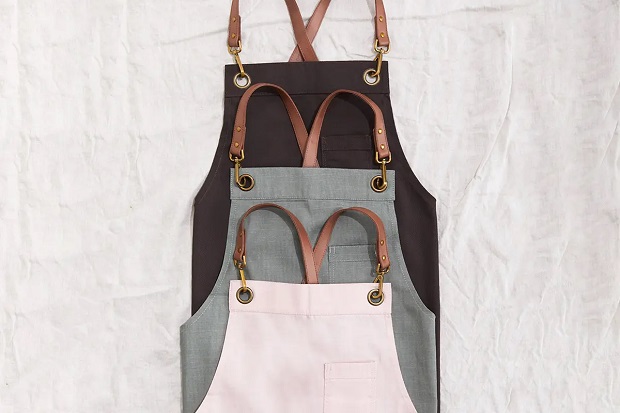
What’s the best material for a woodworking apron? Choosing the right material makes a big difference in how you work and feel throughout the day. For example, a versatile canvas apron is a light and breathable option that’s perfect for warmer weather or long hours in the workshop. It provides enough protection for lighter tasks while allowing for greater mobility and comfort. While it may not hold up as long under extreme conditions, it’s affordable, easy to wear, and brings a relaxed, versatile charm to everyday woodworking.
On the other hand, leather is known for its incredible durability and strength. It’s ideal for tasks that involve heat, sharp tools, or heavy-duty projects. Over time, it softens and moulds to your shape. This gives you a custom fit that feels natural. It also adds a touch of timeless professionalism to your workspace, though it can feel heavier and come with a higher price tag.
Canvas Aprons
If comfort and flexibility are what you value most for woodworking, a canvas work apron is a great option. It’s light enough to move in easily but still strong enough to handle daily wear and tear from sanding, assembling, or carving smaller details. The breathable nature of the fabric helps you stay cool even during long hours in a warm workshop, which is important when you’re deep in a project.
Another reason why a canvas apron is a favourite among hobbyists is its practicality. Most designs include several handy pockets, so your tools and pencils are always within reach. It’s the kind of material that keeps things simple. It’s sturdy, easy to clean, and quick to maintain. While it may not offer the same rugged protection as leather, its balance of comfort and convenience makes it perfect for casual or precision woodworking where mobility and lightness matter most.
Leather Aprons
Leather has long been a go-to for professional woodworkers, and it’s easy to see why. Its strength and resilience make it perfect for heavy-duty tasks, whether you’re working with power tools or handling sharp materials. The natural thickness of the material provides excellent protection. It shields you from cuts, sparks, and even heat when you’re tackling more demanding projects.
One of the unique aspects of leather is how it evolves. With each use, it develops a distinctive patina that adds character while still maintaining its protective qualities. This means that a well-cared-for piece can last for years and become more personal and stylish as it ages. Beyond functionality, leather exudes a classic, professional vibe that’s hard to match. It’s ideal for anyone who values both performance and appearance in their workshop gear.
What to Consider When Buying
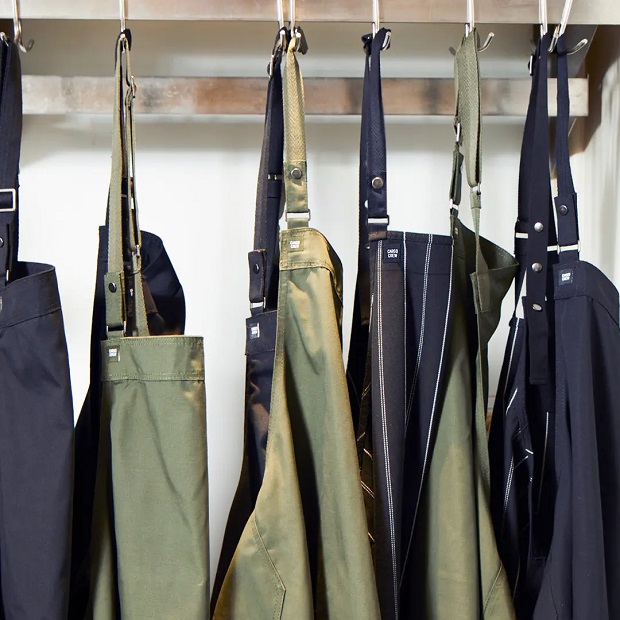
When deciding between canvas and leather for your woodworking gear, think about these few key factors to make the right choice.
-First, consider the nature of your work. If you’re focused on fine woodworking, sanding, or occasional DIY projects, the lightweight flexibility of canvas apron workwear will keep you comfortable and agile throughout your tasks. On the other hand, if your projects regularly involve power tools, hot materials, or sharp instruments, the toughness and heat resistance of leather make it a dependable option for safety.
-Next, think about climate and comfort. Leather naturally provides warmth, which is ideal if you’re working in a cooler workshop or during colder months. A canvas work apron, being breathable and lighter, is perfect for warmer environments where staying cool is a priority.
-Finally, your budget can play a big role in your decision. Leather tends to be a higher upfront investment, but its durability and long-lasting nature often justify the cost. A canvas work apron is far more affordable, so it’s a smart choice for beginners or anyone looking for a functional, entry-level option without breaking the bank.
Maintenance
Keeping your woodworking gear in top shape doesn’t have to be complicated, but a little care goes a long way. Canvas apron work clothing is low maintenance, so it’s suitable for lighter, everyday projects. Most options can go straight into the washing machine, which makes cleaning up after dusty or paint-filled tasks quick and easy. If you have tougher stains, a targeted stain remover usually does the trick. While this material is durable, prolonged exposure to direct sunlight can fade colours over time, so try to store it away from harsh light when possible.
For leather, the key is gentle maintenance. Wipe it down with a damp cloth and mild soap after each session to remove dust, dirt, and any stray wood shavings. Apply a leather conditioner to keep the material supple, prevent cracking, and maintain that rich, classic look. When not in use, it’s best to hang or store it in a cool, dry spot, away from excess moisture or heat, which can cause damage or mould.

