
Top Acoustic Guitar Brands to Know: A Practical Guide to Finding Your Sound
Finding the right acoustic guitar can be surprisingly personal. Two instruments may look similar on the outside yet have different voices, feel, and responses. What are the top guitar brands? Five names and groups of makers stand out as important names to know: C.F. Martin, Taylor, Yamaha, Gibson, and boutique builders such as Collings and Lowden. Each has developed its approach to instrument making, from Martin’s traditional acoustic character to Yamaha’s accessible range and individual craftsmanship. I’ll look at what each name is known for, the players they tend to appeal to, and the details you should pay attention to before purchasing.
Yamaha: Reliable Quality and Value

This brand has earned a strong reputation among beginners for making reliable Yamaha acoustic guitars. That matters when you’re buying your first instrument because you want something that feels good to play without spending a fortune. Rather than relying on flashy features, the brand focuses on getting the fundamentals right, giving new players a solid starting point as they develop their skills. The FG800 is a good example. This Yamaha acoustic guitar has a solid Sitka spruce top that gives it a clear, projecting sound. The overall construction is designed for regular playing. For someone learning chords, practising scales or getting used to the feel of an instrument, having something predictable and well-built can make the experience much more enjoyable.
Price is another reason why Yamaha acoustic guitars are so popular with first-time buyers. Spending around $300 can put you in the range of solid-top models, although prices and availability can vary. At the lower end of the market, many instruments use laminate tops instead, so check the specifications rather than assuming that every budget model is built in the same way. Yamaha offers several options that give beginners access to solid-top construction without immediately moving into a much higher price bracket.
When considering a Yamaha acoustic guitar for sale, pay attention to how the instrument feels in your hands. Try playing around the 12th fret and see whether the strings feel comfortable or unusually difficult to press down. If the action is higher than you’d like, a professional setup can improve your playing experience. A relatively small adjustment can turn an instrument that feels awkward into one that’s much easier to play.
Yamaha acoustic guitars Australia wide have plenty to offer once you’ve moved beyond the beginner stage. Models such as the FGX5 and TransAcoustic range introduce more advanced features for players who want to perform or experiment with effects. The TransAcoustic series, for example, includes built-in effects such as reverb and chorus. These give you more options without needing to bring along additional equipment.
C.F. Martin: Traditional Tone and Rich Heritage
C.F. Martin has been making guitars for generations, and that long history is a big part of its appeal. Players often turn to Martin for its warm, full-bodied sound, particularly the rich bass and relaxed midrange that work beautifully for fingerpicking, folk, and singer-songwriter styles. Its use of solid tonewoods, including spruce, mahogany, and rosewood, also contributes to the depth and projection many players associate with the brand. This brand’s instruments combine traditional construction with a distinctive character that has stayed relevant across generations. If you’re considering one, try playing a few simple fingerpicked patterns and listen to how the lower frequencies respond.
Taylor: Articulate Sound for Modern Players
Taylor takes a more modern approach, with a reputation for comfortable playability, clear tones and reliable setups. Its slimmer necks and generally player-friendly feel can be particularly appealing if you’re spending long hours practising or performing. The brighter sound also suits strumming and live playing, where you want individual notes to remain easy to hear.
Taylor is especially worth considering if you regularly switch between playing unplugged and performing through an amp. Its electro-acoustic guitars are well integrated for this kind of use, although players who prefer a warmer, deeper sound may find Taylor’s character a little too bright.
Gibson: Warm Tones and Iconic Designs
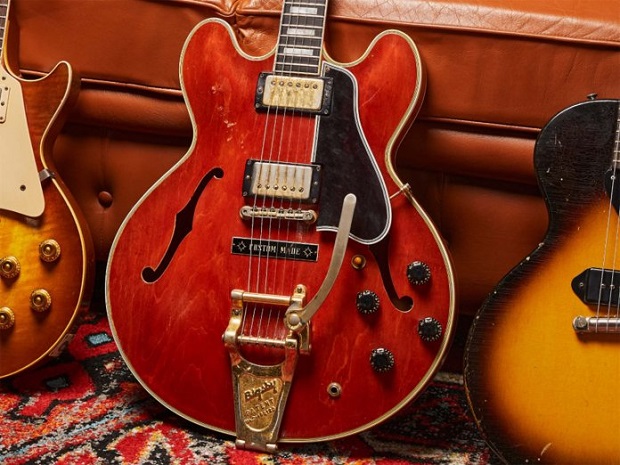
Gibson is a natural choice for players who prefer a warm, powerful sound with plenty of character. Its strong midrange and responsive feel work particularly well for blues, rock, and Americana, giving chords and picked notes plenty of presence. Models such as the J-45 and J-200 have also become closely associated with the brand’s long musical history. If you prefer a softer, warmer voice rather than a bright, highly defined sound, Gibson is well worth trying. Its distinctive tonal character has kept players coming back to the brand for generations.
Collings & Lowden: Handcrafted Boutique Guitars
Collings and Lowden appeal to players looking for more personalised guitars. Their instruments are made in small numbers, with considerable attention to the choice of tonewoods, construction, and the way each instrument responds when played. This can give them a distinctive character that’s difficult to reproduce on a large production line.
They’re generally aimed at experienced players who already know what they want from an instrument. If you’re prepared to invest more and want something carefully made with its unique personality, a boutique guitar from a builder such as Collings or Lowden can be a special choice.

