
The Ultimate Guide to Butt Hinges for Long-Term Strength and Smooth Movement
Doors, cabinets, gates, storage units, and workshop fittings all rely on one small component to move properly day after day. When that part is poorly chosen, problems start appearing fast: sagging doors, scraping edges, uneven gaps, squeaking, loose screws, and constant readjustments. Good hardware rarely gets noticed because it simply works. Bad hardware announces itself every single time a door opens.
A quality hinge should handle repeated movement, support weight, and resist wear from friction, pressure, and environmental exposure. In residential settings, that might mean smooth movement and quieter operation. In commercial or industrial spaces, it often means handling heavier loads and surviving thousands of opening cycles without loosening or warping. Material thickness, pin strength, mounting accuracy, and corrosion resistance all play a role in long-term performance.
Small Component, Big Responsibility
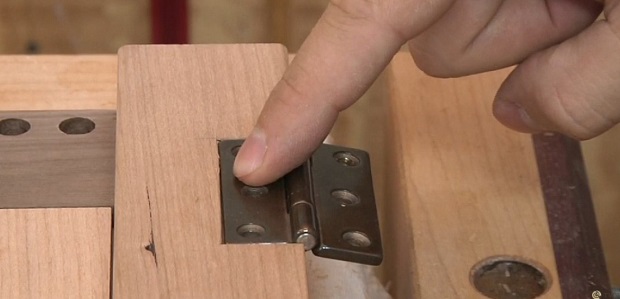
A hinge butt is commonly used for doors, cabinets, cupboards, tool storage, and general joinery where reliable pivot movement matters. Its design looks simple, yet small differences in size, finish, and construction can drastically affect how a door behaves over time. Heavier applications generally require thicker construction and larger dimensions to distribute weight more evenly, while lighter-duty installations prioritise compact sizing and smoother movement.
One reason these hinges remain widely used across both residential and commercial applications is their versatility. Steel options are often chosen for strength and durability, especially in workshops, garages, and high-traffic spaces. Brass styles are preferred in spaces where appearance is key or where corrosion resistance is important. Stainless variants are especially useful in coastal environments or damp conditions because they resist rust more effectively than untreated steel.
A well-chosen hinge butt supports weight evenly, reduces unnecessary strain, and maintains consistent movement long after cheaper alternatives begin to loosen or wear out. The way the hinge is mounted also affects longevity. Mortised installations sit flush within the door and frame, reducing protrusion and creating cleaner alignment. Non-mortised styles are faster to install and are often used where speed or simplicity matters more than a seamless finish.
Pin construction is essential, too. Fixed-pin hinges improve security in certain settings, while removable-pin styles simplify maintenance and door removal during renovations or repairs.
Picking the Pertinent Hardware
Many people choose hinges based on dimensions, but load capacity matters just as much. A lightweight internal cupboard door places very different stress on hardware compared with a solid timber entry door or workshop gate. Using undersized hardware often causes gradual sagging because the weight is not distributed properly across the frame.
Clearance also matters more than people expect. Improper hinge sizing can affect how far a door opens, how evenly it closes, and whether it rubs against flooring or adjacent surfaces. Wider hinges can sometimes improve movement geometry on thicker doors by allowing additional clearance during opening.
Moisture exposure accelerates corrosion, particularly around hinge pins, where friction already weakens protective coatings over time. Coastal environments are especially harsh because airborne salt speeds up oxidation. Selecting corrosion-resistant hardware from the beginning usually prevents seized pins, staining, and premature replacement. Choosing the right hinge butt early on can prevent unnecessary wear and adjustments later.
When Everyday Movement Starts Feeling Effortless
Good hinges change how a space feels without drawing attention to themselves. Doors close more evenly, movement becomes quieter, and alignment stays consistent longer. Poor-quality hardware often develops lateral movement over time, causing wobble or uneven gaps around the frame. In severe cases, screws loosen repeatedly because stress is concentrated unevenly.
Better butt hinge construction creates smoother rotational movement and places less strain on both the mounting screws and the surrounding material. This becomes particularly important with heavier timber doors, which naturally expand and contract slightly with seasonal humidity changes.
Many modern butt hinges are also manufactured with tighter tolerances than older general-purpose hardware. That precision helps reduce vibration, rattling, and movement inconsistencies during repeated use. In practical terms, it means fewer annoying sounds, fewer alignment problems, and less maintenance over time.
Protective coatings help prevent oxidation, surface pitting, and gradual weakening caused by moisture exposure. Even indoor environments can still lead to corrosion over time, especially in kitchens, laundries, and storage areas where humidity levels fluctuate regularly.
Constant Use Without Constant Problems
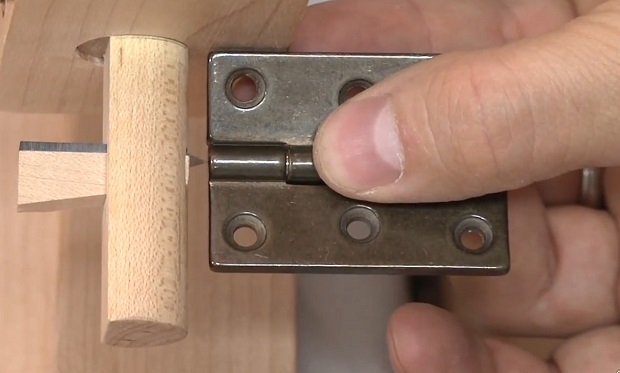
Selecting hardware becomes much easier when the focus shifts from appearance alone to long-term practicality and usage conditions:
- Measure door thickness before buying to ensure the hinge size matches both the weight and the mounting area correctly.
- Check load requirements
- Match the finish to the environment, especially in humid or coastal areas where corrosion develops faster.
- Allow sufficient clearance around the flooring, trim, and adjacent walls before final installation.
- Lubricate moving parts periodically to reduce friction, squeaking, and long-term pin wear.
- Tighten loose screws and match screw size early, before repeated movement enlarges mounting holes permanently.
- Avoid mixing incompatible metals in damp environments because galvanic corrosion can develop over time.
Hardware That Holds Up Over Time
Reliable hardware rarely attracts attention, yet it has a direct impact on how smoothly doors and cabinets function every day. Size, finish, material strength, and environmental resistance all contribute to long-term performance, particularly in spaces exposed to heavy use or changing conditions. These factors together influence stability, noise levels, alignment, maintenance needs, and overall durability across years of daily use. Choosing carefully from the beginning usually costs less in the long run, extends lifespan, and helps avoid unnecessary frustration later on.

