
The Essential Guide to Red Wine Storage and Transport
The beauty of winemaking lies not only in inspecting the vine health, pruning, harvesting, and making the wine, but also in stocking the right gear. The latter is perhaps the most important step in the process because it directly affects the wine’s quality, taste, and longevity. It prevents microbial contamination and oxidation while preserving the flavour. So yeah, having them in hand before bottling is paramount.
What’s the Most Essential Gear?
The choice of red wine gear is huge, but every piece of it serves one goal – preserving the wine’s shelf life and ensuring it’s in perfect condition when poured into a glass.
Red Wine Bottles
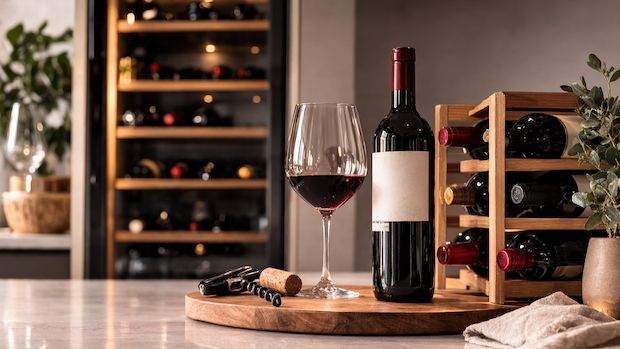
Wine bottles are more than just a container for wine. They’re closely related to their taste, flavour, and brand identity. The most appropriate choice for wine packaging is glass red wine bottles due to their non-porous nature, their durability, and their ability to preserve the wine’s properties, taste, and flavour. They don’t leach chemicals and prevent external gases, oxygen from penetrating the bottle and spoiling the product. Unlike plastic, glass wine bottles are also better for wine aging, as they allow for gradual maturation. These bottles are also recyclable, which can positively affect your brand’s reputation and attract eco-conscious consumers.
They’re a powerful branding tool, so choosing the right material, shape, size, and colour can positively affect both its quality and sales.
While the material is good on its own, you shouldn’t forget about its colour and shape. The colour itself directly affects both aesthetics and wine preservation, so when choosing containers for reds, it’s best to opt for green and amber as they can block 90% of harmful UV light. They can protect it from premature aging and oxidation.
Regarding shape and style, you should opt for two bottles: the Bordeaux, which are known for their straight sides and high shoulders, and the Burgundy, which are known for their thicker glass, wider, plumper base, and sloping shoulders.
The last thing you shouldn’t forget is the bottle size. The standard and most popular sizes are the 750ml, however, choosing smaller sizes is also great as they seem to be gaining popularity for single servings and sampling purposes. The 375ml bottles are used for premium or specialty wines, and they are ideal for dessert wines. The 187ml is used for single-serving portions, perfect for tasting events and for those who want just a glass of good wine.
One thing is certain: all of these things contribute to having increased sales and incredible ROI.
Corks or Caps
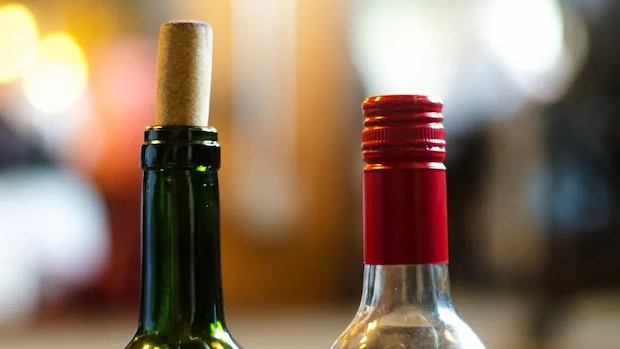
The choice between corks or caps depends on the wine’s aging process, but also on the bottles’ necks. Corks are certainly the most traditional option, and they are mainly used for wines intended to age for decades. Screw caps, on the other hand, are best for fresh fruity wines that are intended to be consumed within a few years. Given the fact that not all necks are the same size, make sure to measure them to choose the right cork or screw cap.
Speaking of cork, there are two types of cork, natural and synthetic, so you should be careful when choosing. The natural ones are made of wood. They are best used for vintage and premium wines that require cellar aging. The synthetic ones, on the other hand, are much more affordable and are perfect for fruit-forward and value wines. They are perfect for those wines that are ready to be consumed soon after the purchase.
Labels
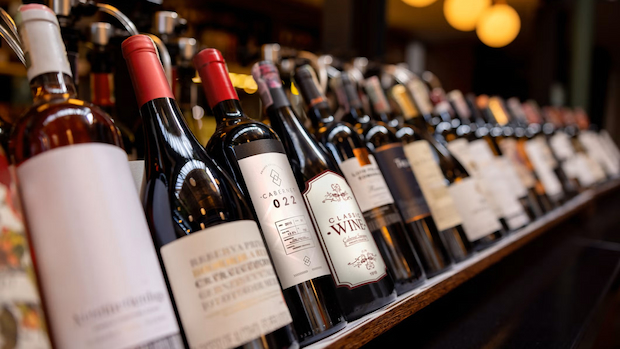
Labels are just another thing you need to have prepared before bottling. While the design of the labels is entirely up to you and your taste, an important thing you should pay attention to is their size.
The standard Bordeaux bottles range from 9cm x 10cm to 11cm, and Burgundy bottles are in need of 8cm x 10cm or 9.5cm x 11cm. Regarding the material, flexible and thinner paper labels are the perfect option for these bottles as they can easily mould to the bottles’ shape.
Boxes
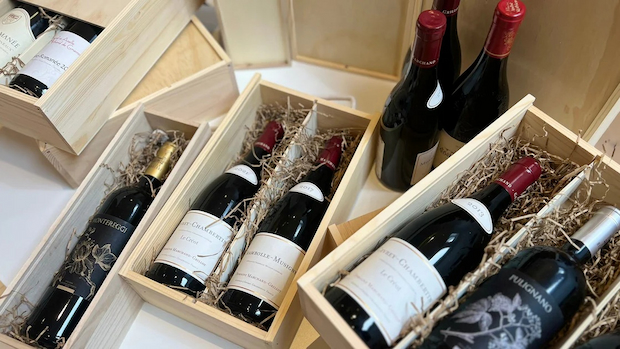
Before tossing it into the van, the wine needs to be properly packed in wine-specific packaging boxes to prevent temperature shock and glass breakage. The main reason wines need to be packed in specific boxes is that the interior support is paramount in protecting the wine. Aside from the basic cardboard moving boxes, you can also pack your fine premium red wine in special, elegant wooden boxes that you can personalise to enhance the user’s experience.
How to Move the Wine Properly?
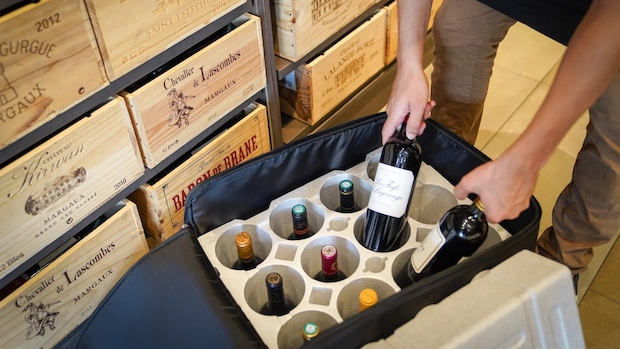
Once you bottle, label, and pack your wine, it’s time to transport it to the needed stores and warehouses while keeping it safe and sound. While the bottles, corks or caps, and boxes are essential for the wine’s quality, you shouldn’t forget about transport and the shock it can cause the wine if not properly handled. Environmental stress and temperature changes can negatively affect the wine’s taste, quality, and flavour, so it’s crucial for you to transport it properly and at the right temperature. Small quantities can safely travel inside the car’s body since the AC can keep them in a perfect state. Larger quantities, on the other hand, should be transported in climate-controlled vans with a temperature between 12 °C and 18 °C

