
Strategic Surface Defence: Protecting Industrial Assets Against Moisture
Water is one of the most persistent causes of structural deterioration. Once it penetrates concrete, masonry, timber or other building materials, it can cause corrosion, mould growth, surface damage, reduced insulation performance and costly repairs.
Effective moisture management is therefore a fundamental part of both new construction and renovation projects. Rather than treating leaks after they appear, modern building practices focus on preventing water ingress from the outset through dedicated protective systems.
These systems are designed to create a continuous barrier between the building substrate and moisture. Whether used below ground, above ground or in permanently wet environments, they help preserve structural integrity while extending the service life of the building. The right solution also accommodates natural movement caused by temperature changes, settling and vibration without compromising protection.
The Core Layer in Surface Protection Systems
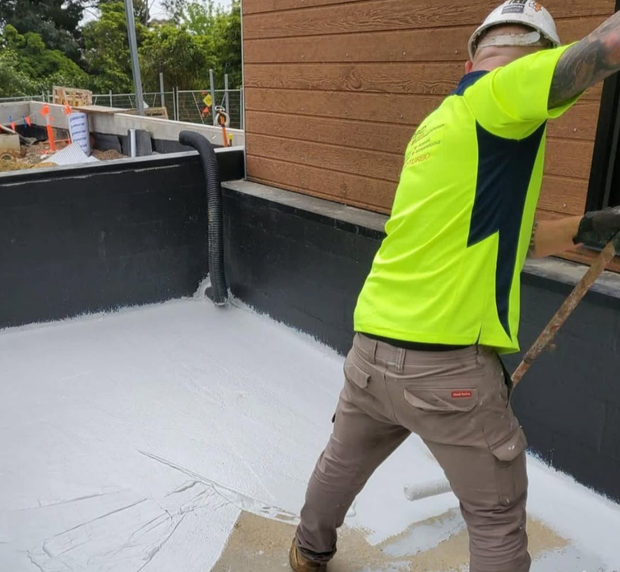
Among the most important components of any moisture control system is the waterproofing membrane, which forms a protective barrier that prevents water from penetrating structural surfaces.
They are commonly installed on roofs, balconies, bathrooms, retaining walls, foundations, podium decks and other areas exposed to moisture. Depending on the application, they may be applied before finishes are installed or remain exposed when formulated to withstand weathering.
Unlike simple surface coatings, protective waterproofing membranes are engineered to maintain a continuous seal despite substrate movement and environmental stress.
Performance depends on several characteristics, including flexibility, elasticity, adhesion strength, crack-bridging ability and resistance to standing water. Some formulations are designed for vertical surfaces, while others perform equally well on horizontal areas where water may remain for extended periods.
Opting for waterproofing membranes suited to the expected environmental conditions contributes significantly to long-term durability, especially where buildings experience frequent temperature fluctuations, heavy rainfall or intermittent ponding.
A reliable waterproofing system also depends on compatibility between the membrane and the underlying substrate. Concrete, fibre cement, masonry, brickwork and metal each present different bonding characteristics, making correct product selection an essential part of achieving long-term performance.
Material Structure and Functional Variations
Waterproofing systems generally fall into two main categories: liquid-applied membranes and sheet membranes. Liquid-applied systems cure after application to form a seamless waterproof layer that readily conforms to complex shapes, corners and penetrations. Their continuous finish helps reduce potential weak points around joints and irregular surfaces.
Sheet membranes, by comparison, are manufactured to a consistent thickness before installation. They are commonly selected where uniform coverage is critical or where installation conditions favour pre-formed materials. Because adjoining sheets require carefully sealed overlaps, installation quality plays a significant role in overall performance.
Formulations vary according to their intended environment. Some are designed to resist prolonged ultraviolet exposure on external surfaces, while others are intended for concealed installations beneath tiles or protective finishes. Certain membranes also provide enhanced flexibility for structures subject to movement or thermal expansion.
Application Environments and Practical Integration
Choosing an appropriate waterproofing solution involves more than selecting a material repelling water. The surrounding environment, substrate condition, expected movement and installation method all influence long-term performance.
Below-ground applications typically require systems capable of continuous moisture and hydrostatic pressure, whereas exposed roofs demand excellent weather resistance and the ability to withstand ultraviolet radiation.
Wet internal areas such as bathrooms and laundries require membranes that remain stable beneath tiles while accommodating minor structural movement. Balconies and podium decks often experience both water exposure and thermal cycling, making flexibility particularly important.
While service life varies depending on the formulation, installation quality and environmental exposure, professionally installed membranes can remain effective for decades when used in appropriate conditions and maintained correctly.
Most failures result not from the membrane itself but from inadequate surface preparation, incorrect application thickness, poor detailing around joints or damage caused during subsequent construction work.
Decision Framework and System Considerations
Selecting an effective waterproofing system requires careful consideration of both the building and its operating environment.
- Assess the level of moisture exposure, including rainfall, groundwater, standing water and internal humidity, before selecting a waterproofing system.
- Confirm that the membrane is compatible with the intended substrate, as different materials require different adhesion characteristics and preparation methods.
- Prioritise flexibility where structural movement, expansion or vibration is expected to reduce the likelihood of cracking over time.
- Prepare the surface thoroughly by ensuring it is clean, sound and free contaminants, since proper adhesion is essential for long-term performance.
- Allow adequate curing before exposing the membrane to water, heavy traffic or additional construction layers to help achieve its designed performance.
Attention to these factors not only improves durability but also reduces the likelihood of premature repairs and maintenance. Investing time in proper planning often delivers greater long-term value than simply choosing the lowest-cost solution.
A Better Perspective on Structural Protection
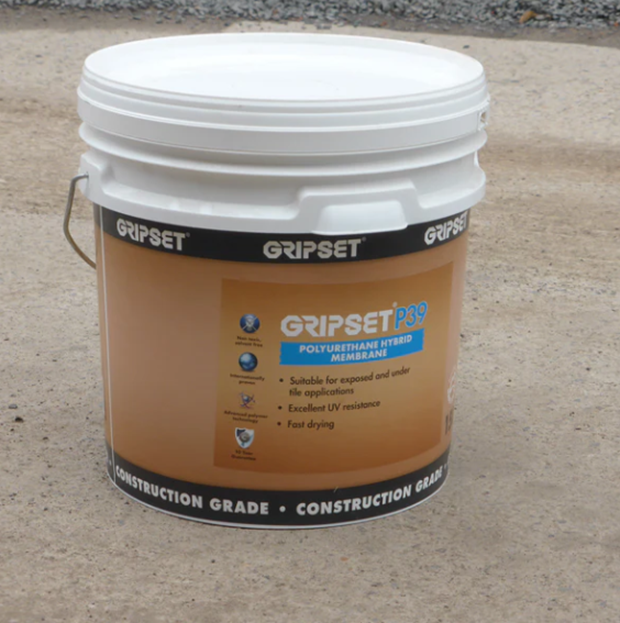
Successful waterproofing begins long before the first drop of water reaches a structure. Careful planning, appropriate material selection and correct installation work together to create durable protection against one of the construction industry’s most persistent challenges.
As building standards continue to evolve and structures become increasingly complex, waterproofing membranes remain an essential component of modern construction, helping safeguard buildings from moisture-related deterioration while supporting longer service life, improved reliability and reduced maintenance costs over time.

