
Red Wine 101: The Ultimate Guide for Wine Lovers in the Making
Red wine is a beloved symbol of passion, love, and elegance. When paired with a fine meal and the right company, it becomes an experience in itself.
Every love for wine begins with a little curiosity. Maybe you had a glass of Pinot Noir over dinner, or you saw a close friend enjoy the rich flavour of a Merlot. Regardless of how your interest in wines may have started, you’re in the right place.
From casual parties to romantic date nights, red wine somehow always finds a way to make an appearance at every important milestone. The memorable, rich aroma transcends cultures, traditions, and differences, carrying a story thousands of years old.
With every glass you taste, you experience centuries of meticulous craftsmanship and love for winemaking. Join us as we explore the significance of red wine in Australia and around the world, and teach you how to stir, sniff, and sip with confidence.
How Is It Made?
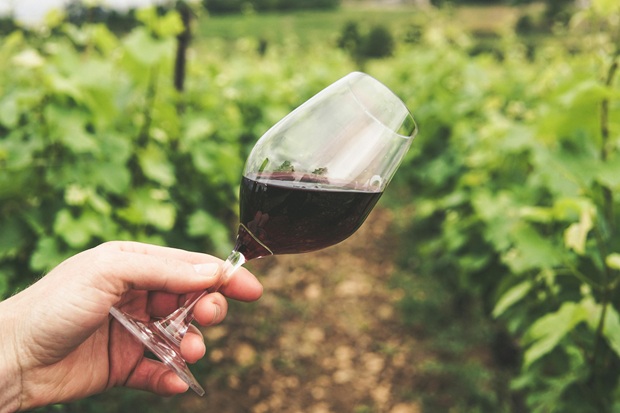
Red wine is a type of wine made from dark-coloured grapes. Its colour varies based on the maturity of the wine itself. Younger wines tend to have a rich violet pigment, while more mature wines are characterised by their bright red hues. Grapes, as a fruit, have a pale yellow colour. The rich red shades come from anthocyanin pigments found in grape skin.
This wine is alluring due to its rich pigment and sweet aroma. For centuries, this wine has captivated wine lovers all over the world, with many taking up the craft of winemaking for themselves. From grape to glass, several specific steps in the winemaking process must go right for the ultimate product.
Firstly, winemakers must harvest the grapes at a very specific time, as the grapes’ maturity contributes to the sweetness, acidity and overall flavour profile of the wine. The grapes are then crushed to mush, along with their skin and seeds and left to ferment in a vessel, allowing the violet colour to be released from the grape skin.
The wine is left to ferment at about 20-32°C, with added yeast converting the sugars in the juice into alcohol. After the fermentation process, the alcohol is separated from the solid mush with a process called pressing. It’s important to do this process gently so as not to let any additional bitter grape compounds escape into the wine. The wine is then aged in a tank or barrel of choice. This process can last from a couple of months to several years based on the desired flavour profile.
The last step in this complex process is filtering, clarifying and bottling the wine. If you want to enhance the wine’s flavour complexity even further, leave it to age in the bottle for a while.
What Makes It So Special?
Red wine is the perfect alcoholic beverage to pair with both casual home romantic dates and fine dining meals. But did you know that, besides its rich flavour and its status as the ideal food companion, this type of wine also has numerous health benefits?
Red wine is an antioxidant that removes potentially damaging oxidising agents from your body, reducing the risk of aging, cancer, and even depression and anxiety. It has also been proven that the polyphenols contained in wine can help prevent coronary artery disease, hence reducing the risk of high blood sugar and heart disease. If you want luxurious, healthy, long locks, red wine can also help with that by strengthening blood vessels in your scalp, improving circulation, and promoting hair growth.
Popular Types of Red Wine You Should Know

Although red wine is a type of wine in itself, it can be further divided into more specific subtypes and categories. Let’s take a look at the different varieties and their flavour profiles:
- Cabernet Sauvignon: This one is without a doubt the world’s most popular wine. If you enjoy sweet fruit flavours with low acidity, this is the perfect choice.
- Merlot: A great option for producing blends and enjoyable on its own, Merlot has low acidity and high alcohol. Its perfect mix of acidity and fruitiness is an ideal fit for everyone’s taste palette.
- Shiraz: A popular black grape variety, Shiraz is known for its high tannin content and medium acidity. With its deep purple pigment, Shiraz appeals to both your eyes and taste buds.
- Pinot Noir: For any enthusiasts of red wine in Australia, this juicy fruit-flavoured wine is the perfect choice for sweet flavours and is one of the most used components in Champagne.
- Malbec: The deep, rich reds of Malbec are the perfect companion to your next steak dinner. With its high tannins and high alcohol, this rich aroma is a must-try for wine enthusiasts in the making.
How To Drink Wine Like an Expert
Before you pop the cork off your fresh bottle of wine, there are a few essentials you should know about. From the right temperature to serve wine to the way it swirls in your glass, every detail affects the flavour complexity of this sweet alcohol. With that in mind, here are a few pointers on drinking wine as an absolute beginner.
Everywhere you go, wine lovers will tell you to always serve your red wine warm. However, if it’s too warm, your wine will be overly acidic; too cold, and you might miss some of the fruity flavours. The ideal temperature for serving red wine is 15-20 °C.
The glass you serve your alcoholic beverage in also matters. Red wine is typically served in tall glasses with larger bowls. This allows the wine to come in contact with oxygen much more easily, enhancing its overall flavour. Swirl your wine gently in your glass before bringing it to your lips. This process brings forth the complex aromatics.
Don’t overfill your glass. Enjoy your wine in smaller quantities. You can always reach for a refill once you’ve drained the glass of all liquid.

