
Gray Nicolls Cricket Bats: The Complete Buyer’s Guide for Players
Did you come here because you walked into a cricket shop and had no idea which bat to grab? With so many shapes, woods and brands on the wall, it’s easy to feel a bit lost. There are a few things you need to understand before you can spot a good fit. Much like when shopping for a cricket ball, it starts with what a bat is actually made of, which one matches your skill level and who’s making it.
Cricket Bats Basics
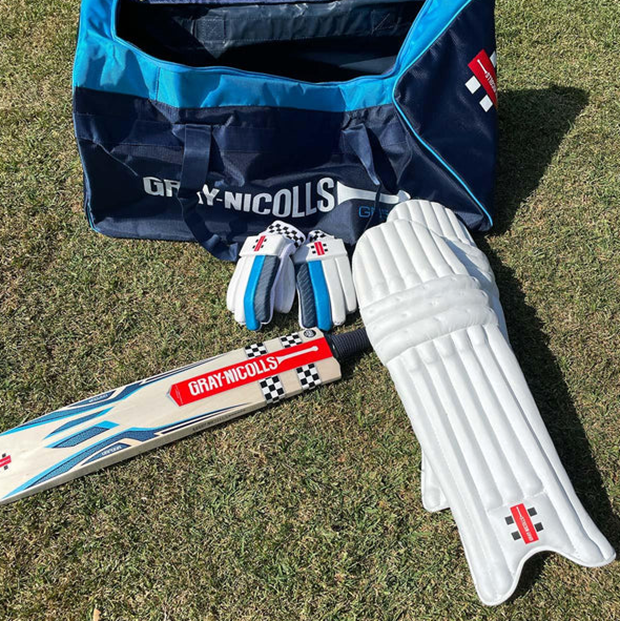
Picking up a bat for the first time can feel like something major and somewhat complicated, but it’s simpler than it looks. It’s important to get familiar with the parts and the three main types beforehand, so you’ll know exactly what to look for.
The Parts of a Bat
Every bat has the same basic pieces. The blade is the big flat part that hits the ball. The handle is the bit you get to hold, and the grip is the covering on it that stops the bat slipping out of your hands.
If you don’t know where to begin, you can check out the popular Gray Nicolls cricket bats and spot these parts on a real one. The toe is the bottom end of the blade, and the splice is where the blade and handle join. Once you can name them on any bat, you’ll always know what you’re looking at.
English Willow
This one’s made from a special willow tree grown in England. It’s light, powerful and feels great when you hit the ball cleanly, making it a solid option for professionals.
The catch is the upkeep. You’ll need to oil it and “knock it in”, which means tapping it with a mallet so it can handle the ball. It’s a pricey option, but it can last you a few seasons if you care for it properly.
Kashmir Willow
The Kashmir wood comes from the Kashmir valley in India. Compared to the English willow, it’s tougher, but also heavier in the hands.
It’s a popular choice for school players, beginners and anyone working with a limited budget. Also, it’s not as responsive, but it’s plenty good while you’re learning your timing. It only needs the odd oil, and you’ll get a full season out of it.
Tennis Ball Bats
Made for street cricket, these bats are light, with thick edges and a wide, flat blade. That means you can belt the ball a long way without much technique. They don’t need oiling or knocking in, so just store them somewhere sensible. They’re the cheapest option of the lot.
Kashmir willow is a great starting point, ideal for beginners. Once you feel you’ve improved, you can switch to English willow. For a casual hit with your mates, a tennis ball bat does the job.
Why Consider Gray Nicolls Cricket Bats?
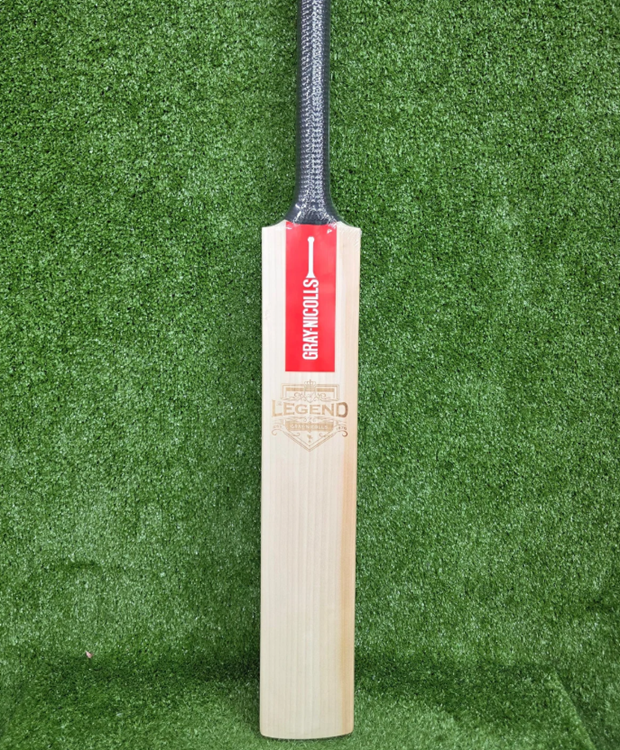
If you don’t know which brand of bats to go with, a Gray Nicolls bat is the safe pick. They’ve been making bats since 1855, which is more than enough time to perfect the craft, so they won’t let you down.
All Handmade
GN cricket bats are all completely handmade by one of their bat makers, so you’re getting real craftsmanship. This means you’re getting bats shaped by hand from carefully picked willow, then checked against feedback from top players. That’s the type of care that shows deep respect for you and the sport you’re passionate about.
The Same Willow as the Pros
This brand uses English willow for the cricket bats. It’s sourced from trees grown near Robertsbridge in East Sussex. These are the same trees the professionals’ bats come from. And, you’re not getting a milder version from it, just the same wood in a size and shape that suits you.
Built to Last
If you look after your GN bat, you can expect it to last you about two to three full seasons of club cricket. That means knocking it in properly, which is tapping it with a mallet to toughen up the wood. Store it upright somewhere dry, and don’t lean it against a wall or leave it in a damp garage, as that’s exactly how bats warp.
Make It Yours
The best part about Gray Nicolls cricket bats is that you can personalise them. Pick your sticker colours and designs, add your name or initials on the shoulder and choose the weight. There are 15 grip options and a choice of toe guard style and colour too.
Gray-Nicolls pairs old-school craftsmanship with modern options. Whether you’re playing for fun or chasing a spot in the team, their collections have something for you as well.
How To Choose Right?
Your skill level should be the first thing to keep in mind when you’re choosing your bat. For beginners, a lower grade Kashmir willow bat will do just fine, while experienced players should look at Grade 1 or 2 Gray Nicolls English willow.
Big hitters suit a thick, heavier bat, while technical players do better with something lighter and balanced. And before you make the purchase, feel the bat up in your hands, because one that feels heavy will slow your swing.
Choosing a bat gets easy once you know the basics, and you can’t go far wrong with a trusted name like Gray-Nicolls. Start with what suits your level and budget, and you’ll be hitting the ball with confidence in no time.

