
A Beginner’s Guide to BJJ Gis
A gi is a specialised training uniform for Brazilian Jiu-Jitsu. It was inspired by traditional judo attire and adapted specifically for BJJ. It consists of three main components: a jacket (kimono), pants, and a belt. Its construction balances strength and flexibility. The jacket is typically made from woven cotton fabric, while the pants are reinforced in high-stress areas such as the knees and seams. Unlike standard martial arts uniforms, a BJJ gi is designed to withstand constant gripping, pulling, and friction.
If you’re a beginner stepping into the world of Brazilian Jiu-Jitsu, finding the right gi can quickly become overwhelming. To begin with, it’s best to look for a reliable supplier so you can order your BJJ gi Australia wide and save valuable time. To help you narrow down your selection, here are some of the most important components to consider.
How to Choose the Right Gi
Fabric and Weave
With technological advancements and modern innovations, ripstop fabrics have become increasingly common, particularly for gi pants. Ripstop is lightweight and tear-resistant, offering enhanced comfort without sacrificing strength.
Weave type directly affects weight, breathability, durability, and overall feel. Single weave gis are lightweight and comfortable, making them popular with beginners, especially in hot training environments. Their main drawback is that they may wear out faster with heavy or frequent use.
Pearl weave gis offer a balance between strength and weight. They are durable yet flexible, making them ideal for both daily training and competition. Gold weave gis are thicker and heavier, providing exceptional resistance to grips. However, they can feel restrictive for some practitioners. To get the most out of your training, choose a gi that suits your intensity level, local climate, and personal preferences.
Size, Fit and Mobility
Most brands offer gis in standardised sizes based on height and weight. Shrinkage is an important factor to consider, as cotton gis may tighten after washing. Pre-shrunk fabrics help maintain consistent sizing over time.
Proper fit is critical for both comfort and performance. A well-fitted BJJ gi allows a full range of motion without excessive looseness and supports better mobility. A gi that is too tight can feel restrictive, while an overly baggy gi can give your opponents unnecessary grip advantages.
Durability and Reinforcement
Brazilian Jiu-Jitsu places significant stress on uniforms, particularly during intense rolling sessions. High-quality BJJ gis are reinforced at key stress points, including the collar, armpits, knees, and cuffs. Double or triple stitching in these areas helps prevent tearing and extends the lifespan of the gi.
The collar is constantly targeted for grips and chokes. For this reason, many premium gis feature EVA foam or rubberised padding inside the collar. This helps the gi maintain its structure while resisting excessive moisture absorption.
Competition Rules and Compliance
If you’re planning to compete, rule compliance is essential. Major organisations such as the IBJJF enforce strict regulations regarding gi weight, fit, sleeve length, and colour. Most competitions allow only white, blue, and black gis, with specific measurements required for sleeves and pant legs.
To avoid last-minute issues or disqualification, always check the event-specific rules before purchasing your gi.
Style, Design, and Branding
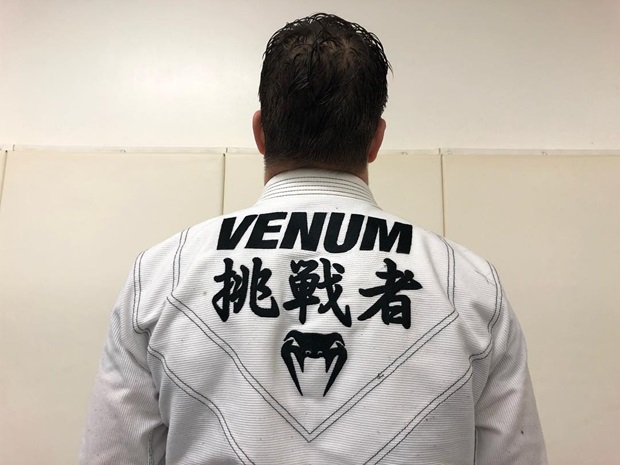
While functionality should always come first, aesthetics also play a role in gi selection. You can find a BJJ gi Australia wide in minimalist designs, as well as bold, artistic styles featuring embroidered logos, patches, and contrast stitching.
Many practitioners prefer clean designs that reflect discipline and professionalism, while others enjoy expressive details that showcase personality. A well-designed gi should look sharp while maintaining optimal performance. Excessive embellishments can add unnecessary weight or reduce comfort, and some competitions restrict patch placement, so this is worth keeping in mind.
A Few Tips for Proper Gi Care and Maintenance
Proper care significantly extends the life of a BJJ gi. Washing your gi after training helps prevent odour buildup and bacterial growth. Cold water washes and air drying are recommended to minimise shrinkage and fabric breakdown. It’s also important to avoid bleach or harsh detergents, as they can weaken fibres over time.
If you train frequently, rotating between multiple gis is a smart choice. This reduces wear on any single uniform and ensures you always have a clean, dry gi ready for training.
Final Thoughts
Brazilian Jiu-Jitsu is a discipline built on precision, control, and adaptability, and the equipment used in training plays a crucial role in supporting these principles. Among all pieces of gear, the BJJ gi stands out as the most essential. It influences grip fighting, mobility, comfort, and overall performance on the mat.
The good thing is that as the discipline continues to evolve, so does gi design and technology. By understanding what to look for and prioritising quality, you can find a gi that suits your level, meets your needs, and supports your journey in the art. It’s an investment in both performance and longevity. From fabric weave and fit to durability and rule compliance, each detail contributes to how the gi performs on the mat. A high-quality gi supports movement, resists wear, and enhances confidence during both training and competition.

