
7 Ideas to Keep Your Industrial Space Clean
Keeping an industrial space clean isn’t just about appearances. It plays a big role in safety, efficiency, and how smoothly daily operations run. Dust, debris, and spills can quickly build up in busy environments, making it more challenging to maintain a productive workflow. A well-maintained space is easier to navigate, safer for staff, and more professional overall. With the right tools and a few consistent habits, keeping things under control becomes much more manageable.
Industrial Floor Cleaners
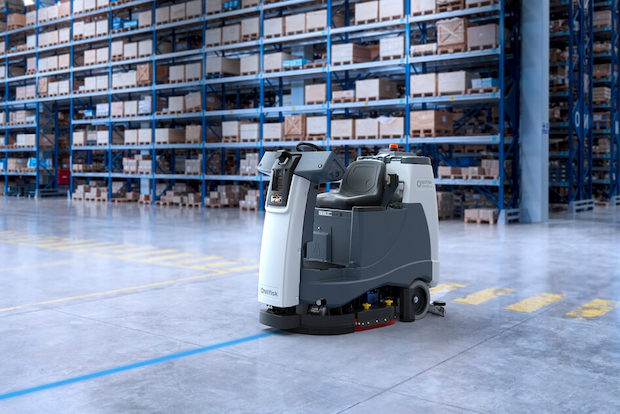
These cleaners are among the most effective solutions for maintaining cleanliness in large industrial spaces. Environments such as factories, warehouses and distribution centres have large floors covered in dust, debris, spills and dirt. Handling all that space manually can be exhausting and overwhelming.
That’s why it’s essential to invest in a practical and powerful industrial floor cleaner. These machines are built with a specific purpose. They can make a big difference in the cleanliness of the space. There are several types available to choose from, designed to suit different floor types and sizes, so it’s important to select the one that best matches your needs.
Walk-behind scrubbers are a practical choice for medium-sized areas where control and flexibility are important. These machines are easy to manoeuvre, and the operator can easily clean around equipment and in tight spaces.
If you’re looking for a machine for larger spaces, go for ride-on scrubbers. They’re more efficient because they can cover a larger area in less time. They’re great for wide and open areas where speed and consistency are appreciated.
Sweepers are excellent for collecting loose debris and dust before doing a deeper clean. With combined sweeping and scrubbing, you get a better result that keeps the floors in good condition over time. One of the biggest advantages of industrial cleaners for floors is consistency. The pressure is evenly distributed, and the cleaning solution works more effectively than manual methods.
They also reduce physical strain and allow employees to focus on other tasks instead of spending long hours cleaning. Over time, this approach can also be more cost-effective. Faster cleaning, better results, and less wear on the flooring lead to long-term savings. These machines are an investment worth making because of the difference they make in cleanliness and efficiency.
Set Up a Consistent Cleaning Schedule
Setting up a consistent cleaning schedule prevents the build-up of dust and debris. To avoid big deep cleans occasionally, split the tasks into daily, weekly and periodic routines. This is a much more effective way to keep the space clean. High-traffic areas such as walkways, entrances, and workstations should be cleaned often. Less-used spaces, on the other hand, can be handled on a set schedule.
This cleaning approach makes cleaning more manageable and more consistent. It minimises the risk of accumulating dust and debris. Because if left uncleaned, it can pile up, and it becomes harder to handle. So, when everyone follows a routine and a schedule, the space will stay cleaner with less effort.
Control Dust and Air Quality
When working in industrial environments, dust can pile up faster than you can imagine. This is especially true for spaces where materials are handled, cut and moved all the time. If it’s not cleaned properly, it can affect air quality and damage equipment. Managing dust isn’t just about keeping things clean; it also helps create a safer and more comfortable working environment.
Using an industrial floor cleaner or a vacuum system made for industrial use, you can prevent this from happening. Capture the dust before it settles everywhere and causes damage. Another way to prevent dust build-up is by cleaning shelves, floors and workstations regularly. Improving ventilation can also make a noticeable difference.
Keep Work Zones Clearly Organised
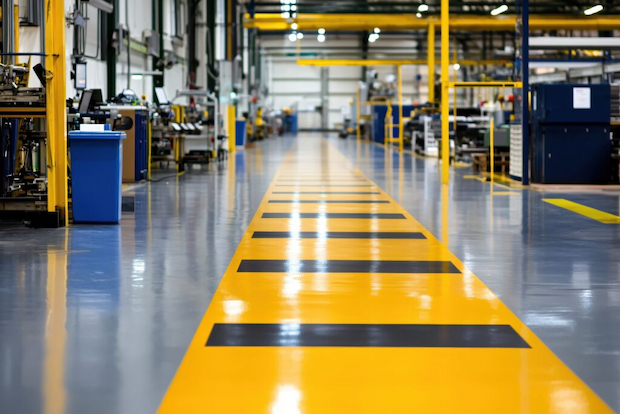
When the workspace is well organised, it’s much easier to clean. When tools, materials, and equipment all have their own space, there’s less clutter to work around and fewer obstacles during cleaning with floor scrubbers. To keep a clean and efficient workspace, separate work areas, storage zones and walkways.
Start by adding floor markings and signs to make these zones visible. This will guide movement swiftly and reduce the chances of someone misplacing items. When everything is organised well, cleaning becomes simpler and faster.
Use Proper Waste Management Systems
Things can quickly get out of hand if you don’t have a clear waste system. Always have a few designated bins for different kinds of waste. General rubbish, recyclables, and specific materials should be thrown in separate containers. Label them clearly, and it’ll be easier for the employees to dispose of any items.
Make sure you empty the bins regularly. Don’t let waste overflow a bin. This can lead to clutter, unpleasant smells and potential hazards. Maintain a simple but regular routine for waste collection, and the space will stay tidy, clean and issue-free.
Clean Equipment and Machinery Regularly
You can’t completely prevent dust from going inside machinery and equipment. They can also collect grease and residue during use. If not cleaned properly and regularly, buildup can affect their performance and even lead to breakdowns. Wipe them down regularly and perform basic maintenance, and you’ll save plenty of time and money.
Focus on Spill Management
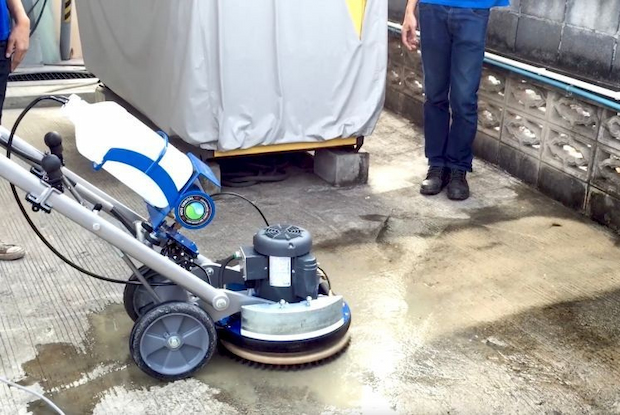
Spills are a dangerous issue in industrial settings. Oil, chemicals, and other liquids can create slip hazards and damage surfaces if not handled promptly. Having a clear process for dealing with spills makes a big difference. Keeping absorbent materials or spill kits easily accessible allows staff to respond immediately. Quick action helps prevent accidents and stops liquids from spreading further.
In Summary
Keeping an industrial space clean comes down to a mix of the right equipment, clear systems, and consistent habits. From using industrial cleaners to managing waste and spills, each step plays a role in maintaining a safer and more efficient environment. When these practices are part of everyday operations, cleanliness becomes easier to maintain and much less of a burden over time.

