
3 Pasta Sauce Ideas and the Saucepans You’ll Need
In the world of cooking, few pairings are as timeless as pasta and a well-made sauce. Pasta, on its own, is plain, but when topped or tossed in sauce (like Italians often do), it becomes a combo of flavour and texture. Before we dive into delicious pasta sauces that bring this starchy base to life, let’s go through some cooking saucepans you’ll need to make them smoothly and with less mess.
Saucepans
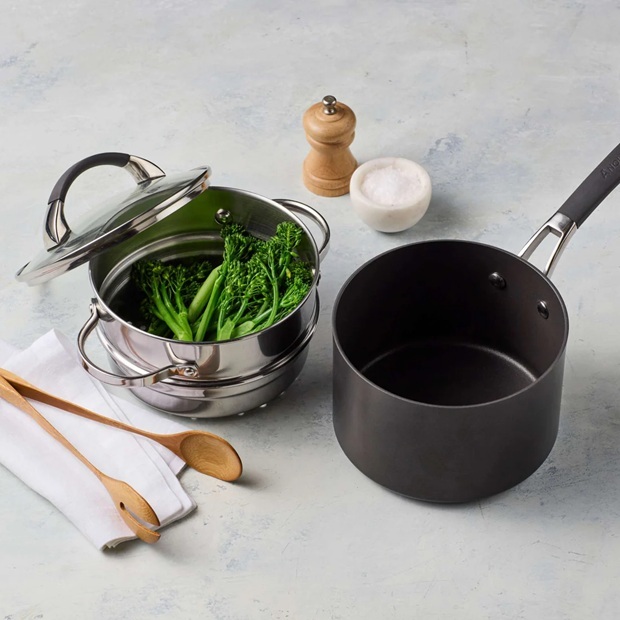
To make flavourful and smooth sauces, having the right saucepan is essential. If you want to update your cookware, there are many well-made, durable cooking saucepans for sale. These help your recipes turn out well while making the process smoother and more enjoyable.
When looking for the perfect addition to your culinary arsenal, you should consider the material and features. Saucepans can be made from stainless steel, aluminium, copper, and cast iron.
Stainless steel is one of the most common materials. It has a clean, modern, and slightly shiny look that fits modern kitchen decor. It doesn’t react with food, so it’s one of the safest choices in the kitchen. Beyond being non-reactive, stainless steel is one of the most long-lasting and reliable materials available. It also distributes heat consistently, so sauces cook evenly without hot spots. Although it doesn’t burn food easily, it can cause ingredients to stick if the pan isn’t heated correctly or if there isn’t enough liquid or oil in the mix. That is why gentle, controlled heating is important when making sauces.
Aluminium saucepans are another popular choice. They’re lightweight, heat up quickly and have a simple and practical look. However, aluminium on its own can react with acidic foods, so many modern versions are coated or anodised to make them safer.
Hard-anodised aluminium has a darker, more matte finish than regular aluminium. It’s also stronger, more scratch-resistant, and distributes heat more evenly. Furthermore, it’s non-reactive, making it safer for cooking different sauces.
Copper saucepans have a warm, classic look and often stand out in kitchens. They heat up fast and respond quickly to temperature changes, giving you precise control. This makes them excellent for sauces that need careful cooking. They are usually lined with stainless steel to keep them safe, as copper itself can react with food. They don’t burn easily if used properly, but they require attention because they heat so quickly.
When selecting a saucepan, features like a tight-fitting lid and a well-balanced handle can improve its functionality and make it easier to use.
3 Recipes to Try
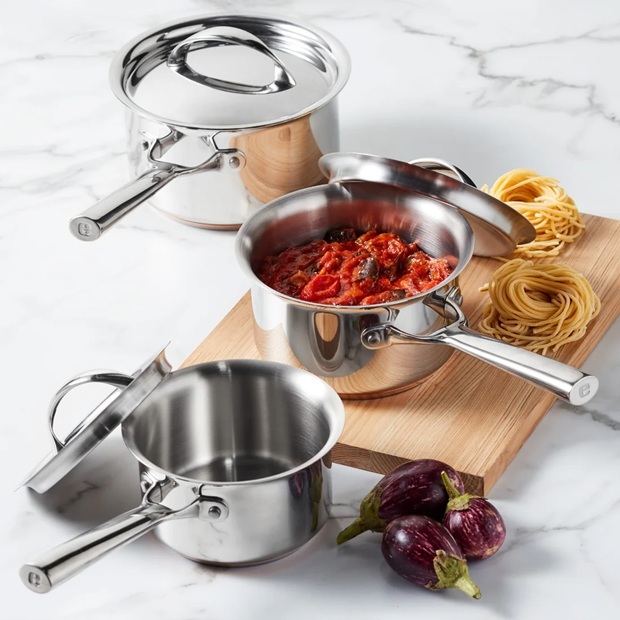
Now that you know the pros and cons of each type of saucepan, and which features to look out for, it’s time to dive into three delicious recipes that will make the most of your chosen cookware.
Lemon Butter Sauce
When you want something simple but full of flavour, lemon butter sauce is a great one to try. It’s light, and you can pair it with pasta that carries sauce easily, like spaghetti, linguine, and fettuccine.
To make it, melt butter slowly in your preferred saucepan over low heat, then add fresh lemon juice and a little zest for brightness. You can add a splash of pasta water to help the sauce come together and coat the pasta evenly. A pinch of salt and black pepper balances the flavour, and fresh parsley adds a light finish. Once the pasta is cooked, toss it directly into the sauce so it absorbs the buttery lemon mix.
Rich Bolognese Sauce
This slow-cooked and hearty sauce pairs well with thicker pasta shapes like tagliatelle, pappardelle, and rigatoni. These types hold the sauce well and allow the meat to cling to every bite.
To prepare it, start by softening the onion, carrot, and celery in olive oil until soft. Add minced beef or a mix of beef and pork, and cook it until browned. Stir in tomato paste, crushed tomatoes, and a splash of stock or milk for depth.
Next, let it simmer gently so the flavours develop and the sauce thickens. Season with salt, pepper, and herbs like oregano or basil. The longer it cooks, the richer it becomes. Once ready, toss the pasta through the sauce or layer it on top for a traditional finish.
Carbonara Sauce
Next on the list is Carbonara sauce, a creamy and rich Italian classic. It pairs with pasta that holds the silky sauce well, like spaghetti, rigatoni, and bucatini.
To prepare it, cook pancetta or guanciale in a pan until it’s crisp and releases its flavourful fat. In a bowl, whisk together egg yolks, grated Pecorino Romano or Parmesan cheese, and black pepper. Cook the pasta, then transfer it straight into the pan with the meat.
Remove from heat and quickly mix in the egg and cheese mixture, using a little pasta water to create a creamy coating. The heat from the pasta gently cooks the eggs, forming a smooth sauce without scrambling.

