
3 Ideas to Foster Your Dog’s Independence
Having a “Velcro dog” isn’t necessarily a bad thing. Many pet owners wouldn’t have it any other way. If you, too, love having your dog by your side, you probably know how comforting and special that constant companionship can feel.
However, the reality is that we can’t engage with or respond to our dogs every second of the day. Even if we can, that’s not a healthy dynamic. Therefore, you may want to help them become more confident and independent.
Ways to Foster Independence
Install a Dog Door
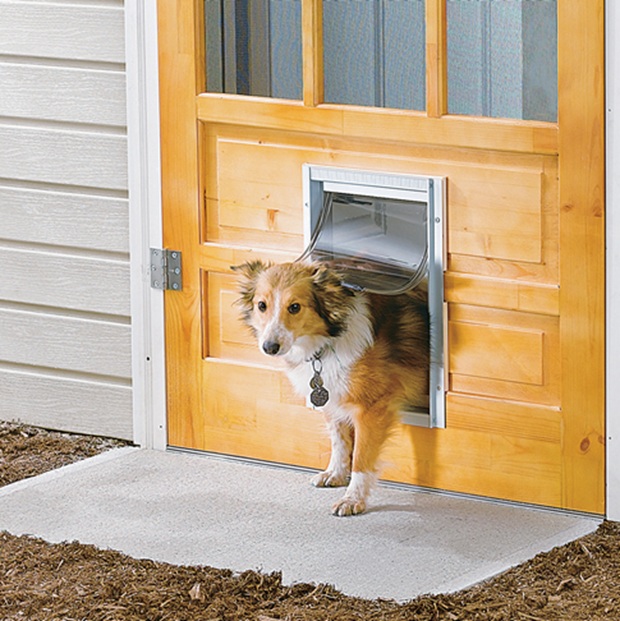
When your “Velcro dog” needs to go outside and relieve themselves, you’ll probably notice they look for you first rather than heading out on their own. Instead of going outside, they may wait by your side, follow you around, and give you that look that says they want you to come with them.
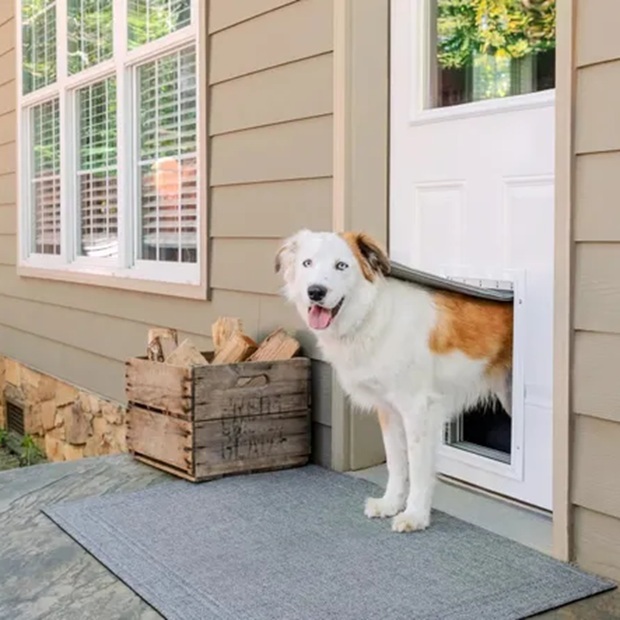
Installing a dog door and encouraging them to use it on their own can be a great way to help them gain some independence. With gentle encouragement and patience, your clingy pooch may feel more comfortable stepping outside and taking care of their needs. Now, depending on the type of door you have, there’s a variety of dog doors to choose from. Depending on your specific requirements, dog doors can be installed in security screens, sliding glass doors, and timber doors.
Dog screen doors, for instance, are affordable and easy to install. They can be fitted without taking the door off, and you will need just a few handyman tools to finish the installation process. You can install one by simply cutting off a portion of the screen door and then placing the pet door on the cut area. Next, there are glass-fitting dog doors that are suitable for single glazing, double glazing, and most sliding windows.
Still, if you don’t feel confident enough to knock a hole in the door, because let’s say, maybe you are a renter or just don’t want to make permanent changes, having a patio panel pet door would make a more sensible choice. Floor-to-ceiling panels can fit into your sliding door, and they require zero demolition. The only drawback is that maybe a tall panel at the end of your sliding glass door will not look good with your décor.
Depending on your dog’s size, the dog door security screen can come in various sizes, such as small, medium, and large. Apart from a regular dog door for screen doors, you can also find various combo packs. Once installed, your pet might be unsure about the dog door. The flapping might scare them, and they may not understand what it’s for. To help them get used to it, keep the door propped open so they can see a clear path without the flap moving. You can also lead them through with treats and their favourite toy.
Teach Them to Enjoy Alone Time
Once your dog is comfortable exploring the yard and taking care of their needs on their own, maybe you can help them feel confident spending short periods alone inside the house. Start with small sessions, like a few minutes in a separate room while you stay nearby at first.
Gradually increase the time and distance, rewarding calm and relaxed behaviour. By taking it step by step, your “Velcro dog” can learn that being on their own indoors is safe and normal. Once your pooch is comfortable spending short periods alone, you can encourage solo play to make alone time fun and rewarding. Start by leaving engaging toys within easy reach, like puzzle feeders, chew toys, or interactive balls.
This way, they can focus on themselves rather than waiting for you. Rotate toys regularly to keep their interest high. You can also hide small treats around the room to spark exploration and mental stimulation. Make sure to praise or reward your dog whenever they engage with a toy on their own.
When practising alone time, avoid rushing or forcing them to play. The goal is to show that being alone can be enjoyable. Over time, your dog will associate solo play with positive experiences.
Create a Safe Relaxation Zone
Also, creating a safe relaxation zone can reinforce comfort during alone time. Choose a quiet area of your home where your dog feels secure, ideally with a soft bed, blanket, or crate if they’re crate-trained. Keep water nearby and consider leaving an item with your scent, like a worn t-shirt, to provide reassurance. Encourage your dog to spend time in this space gradually, starting with just a few minutes and slowly extending the duration.
Pair the zone with positive reinforcement, such as treats, gentle praise, or favourite toys, so your dog begins to view it as a pleasant retreat. By combining solo play with a safe zone, you help your clingy companion build independence and confidence inside the home.

